Hurricane Season Roof Prep: What Every Homeowner Should Do Now
Safety · 2026-05-30 · National Roofers Team · 9 min read
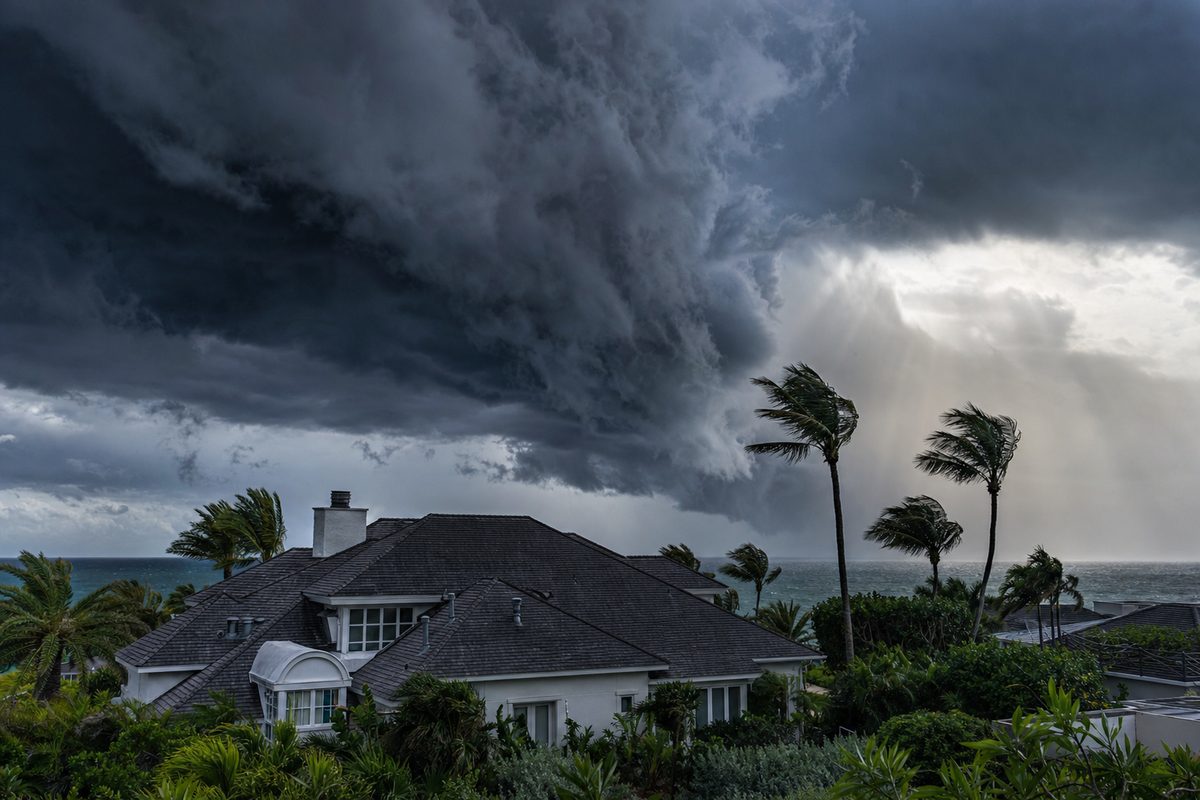
A practical Gulf Coast Texas roof-prep plan for hurricane season: pre-season inspection, drainage, tree clearance, secure roof details, attic checks, and safe ground-level follow-up.
Quick answer: prepare before a storm is named
For Gulf Coast Texas homeowners, the best hurricane roof preparation happens before a storm is forecast. Schedule a pre-season inspection, clear drainage, trim limbs that could strike the roof, and correct loose shingles, flashing, ridge caps, or vents while crews can work safely. Once a hurricane enters the forecast, the goal shifts from improvements to safe, limited risk reduction. Do not climb onto a roof during high winds or after a storm when structural damage may be present. Preparation will not guarantee that a roof survives a hurricane, but it can reduce preventable failures and make the home easier to evaluate afterward. The same practical steps help homes in National Roofers' other service states prepare for hail and high wind.
Why high wind finds weak roof parts
Wind does not need to remove an entire roof to create a serious problem. It often starts at exposed edges, ridge caps, pipe boots, wall flashing, vent housings, or shingles that were already lifted or poorly fastened. Wind-driven rain can enter through a small opening and travel along the deck or framing before it becomes visible indoors. That is why a calm-weather inspection matters: it identifies components that are easier and safer to correct before they are put under load. Look for loose material from the ground, but leave close-up inspection and repairs to a qualified roofer.
What a roofer should inspect before hurricane season
A pre-season roofer visit should cover more than a quick look at the field shingles. The roofer should assess visible shingle condition, roof edges, ridge caps, valleys, pipe boots, wall and chimney flashing, attic ventilation openings, and any sagging or soft areas. They should also look for exposed fasteners, damaged sealant, blocked drainage paths, and signs that water has previously reached the deck. Ask for a written scope that separates immediate repairs from maintenance items to monitor. If the roof has widespread brittle shingles, repeated leaks, or multiple weak areas, use 5 signs your roof needs replacement to compare a targeted repair with a full replacement plan.
| Area | What to check or arrange |
|---|---|
| Roof surface | Visible missing, curled, cracked, or loose shingles and any unusual sagging |
| Flashing and vents | Loose flashing, pipe boots, ridge caps, vents, and exposed fasteners |
| Drainage | Gutters and downspouts cleared so water is carried away from the roof edge |
| Trees and yard | Overhanging or dead limbs trimmed before they can strike the roof |
| Attic and interior | New staining, damp insulation, daylight at penetrations, or a sagging ceiling |
Keep water moving before wind and rain
Clear gutters and downspouts before the season so water can leave the roof edge instead of backing up beneath shingles or spilling against fascia. Confirm that downspouts discharge away from the foundation and that extensions are connected and not crushed. Remove leaves, needles, seed pods, and roof debris only when conditions are dry and you can work safely from the ground or a stable ladder position. Have a qualified tree professional clear dead, broken, or overhanging limbs that could scrape the roof or strike it in wind. Do not cut limbs from the roof or attempt overhead pruning in poor weather.
Secure flashing, ridge caps, soffits, and vents
Loose flashing and ridge caps deserve attention because wind can work under small gaps and turn them into larger openings. A roofer can check metal at walls and chimneys, pipe boots, vent bases, ridge-cap attachment, exposed fasteners, and sealant that has cracked or pulled away. Soffit panels and roof ventilation openings should also be secure; missing screens or loose panels can allow wind-driven rain and debris into the attic. Correcting a small loose detail before the season is usually less disruptive than opening finished ceilings after water has traveled inside.
| Area | What to check or arrange |
|---|---|
| Roof surface | Have visible lifted, cracked, loose, or missing shingles assessed before the season |
| Roof edges and penetrations | Have flashing, pipe boots, ridge caps, vents, and exposed fasteners checked |
| Drainage | Clear gutters and downspouts; confirm water is directed away from the house |
| Attic ventilation | Check that soffits, intake openings, exhaust vents, and screens are secure and unobstructed |
| Trees and yard | Trim dead or overhanging limbs and secure loose outdoor items |
Use attic ventilation and connections to support the roof
Attic conditions influence how the roof performs in heat and wind. Balanced intake and exhaust ventilation help control heat and moisture, while loose soffits, blocked vents, or damaged screens can create weak points. A roofer can also look for visible deck movement, inadequate fastening at vulnerable edges, and framing concerns that call for a qualified structural professional. Keep stored items away from attic vents and avoid compressing insulation over airflow paths. No homeowner should enter an attic with a sagging ceiling, wet wiring, or unstable walking surface. Wind uplift is most demanding at roof edges, corners, ridges, and around openings, so those areas deserve careful review during a repair or replacement. A qualified roofer can explain which details need attention for your roof shape without turning a maintenance visit into a rushed replacement decision.
| When | Priority actions |
|---|---|
| Pre-season | Schedule an inspection, repair loose flashing or vents, clear drainage, trim limbs, and check attic ventilation |
| When a storm is imminent | Secure loose outdoor items, move vehicles away from large limbs, and stay off ladders and the roof |
| First 48 hours after damage | Prioritize safety, inspect from the ground and attic only when safe, and arrange professional help for active water entry or structural concerns |
When a hurricane enters the forecast
When a hurricane is in the forecast, stop nonessential roof work and focus on safe ground-level preparation. Bring in loose patio items, secure gates, clear obvious drain inlets if conditions are safe, and make sure vehicles are away from large limbs. Do not climb ladders, pull at shingles, or try to patch flashing as wind increases. If a known roof defect has not been repaired, arrange professional temporary protection only while weather and access allow. Once conditions stabilize, you can get a satellite-measured roof quote to establish roof size and compare material options without an in-home sales visit.
What to inspect safely from the ground after a storm
After the storm, start from the ground in daylight. Look for missing, lifted, creased, or scattered shingles; loose ridge material; bent or displaced flashing; shifted vents; fallen limbs; gutter separation; and debris caught at roof edges. From inside, look for new ceiling staining, damp insulation, daylight through the deck, or water around attic penetrations, but stay off wet or sagging surfaces. Keep people away from downed lines, unstable trees, and any roof area that appears bowed. If you see active water entry, a sagging roof line, or structural movement, arrange a professional assessment promptly rather than trying to investigate on the roof.
When storm damage points to repair or replacement
A limited repair can make sense when the problem is confined to one sound area and the surrounding shingles, deck, flashing, and ventilation are in good condition. Replacement becomes more practical when damage appears on several slopes, shingles are brittle or widely curled, leaks recur, the deck is soft in multiple locations, or repair materials will not integrate reliably with the old roof. Ask for a written explanation of the condition, the proposed repair area, and what result the work can realistically deliver. Understanding your roofing quote can help you compare removal, underlayment, flashing, ventilation, and decking terms line by line. The decision should also account for roof age, the availability of matching materials, and whether a repair would disturb already fragile shingles. A smaller repair is worthwhile when it restores a sound system; it is not a lasting answer when several related components are nearing the end of their useful life. For a contractor-vetting checklist before approving work, read how to choose the right roofing contractor.
Get a clear scope after conditions stabilize
Once conditions are safe, compare written scopes instead of choosing the first number you hear. A useful scope identifies the measured roof area, material line, removal, underlayment, flashing, ventilation, deck repair process, cleanup, warranty, and payment schedule. National Roofers' quote engine lists architectural asphalt materials at $120 per roofing square, alongside $85 labor, $45 tear-off, and $28 underlayment per square before project-specific components. For broader context, see how to get a roof quote without letting anyone in. You can then start a remote roof quote from your address and arrange physical verification where the roof's condition requires it.
Keep the plan practical and repeatable
The most useful hurricane preparation is repeatable: inspect before the season, repair small defects, clear drainage, trim hazards, secure vulnerable roof details, and review attic conditions. Update the maintenance plan after every repair or replacement so loose items do not become next season's surprise. If you notice a visible change, do not wait for water to reach the ceiling before scheduling an assessment. Gulf Coast Texas homes face hurricane exposure, while homeowners in National Roofers' other states can use the same maintenance habits after hail and severe wind. The weather event changes; the value of a calm, physical inspection plan does not. Schedule routine checks after major weather and before the next hurricane season, especially if trees have grown toward the roof or gutters have filled with debris. Small maintenance visits are easier to plan than emergency interior repairs.
Frequently Asked Questions
What should I do to prepare my roof for hurricane season in Texas?
Before the season, arrange a roof inspection, repair loose flashing and vents, clear gutters, trim overhanging limbs, and check that soffits and attic ventilation openings are secure. When a hurricane is imminent, avoid roof work and focus on safe ground-level preparation.
What should a roofer check before hurricane season?
A useful inspection covers shingles, roof edges, ridge caps, flashing, pipe boots, vents, gutters, downspouts, attic ventilation, and visible deck concerns. Ask for a written scope that separates urgent repairs from maintenance items to monitor.
What should I inspect safely after a hurricane?
From the ground, look for missing or lifted shingles, loose ridge material, displaced flashing or vents, fallen limbs, gutter separation, and debris at roof edges. Inside, look for new staining, damp insulation, or daylight, but stay off wet or sagging surfaces.
When does hurricane damage mean repair versus replacement?
Repair is often practical for one defined problem on an otherwise sound roof. Replacement is more realistic when damage affects several slopes, shingles are brittle or widely curled, leaks recur, the deck is soft in multiple locations, or repairs will not integrate reliably with the existing roof.
Should I tarp my roof after a hurricane?
Temporary protection can help limit further water entry, but a damaged roof can be unsafe to walk on. Use a qualified professional when conditions allow, and do not climb onto a roof with loose materials, a sagging line, or nearby downed wires.
Does hurricane preparation also help after hail damage?
Yes. Clear drainage, secure flashing and vents, trim hazardous limbs, and correct small defects before severe weather. After hail or high wind, use the same ground-level check and arrange a professional assessment if you see visible roof changes or interior water.