5 Signs Your Roof Needs Replacement (Not Just Repair)
Maintenance · 2026-06-28 · National Roofers Team · 8 min read
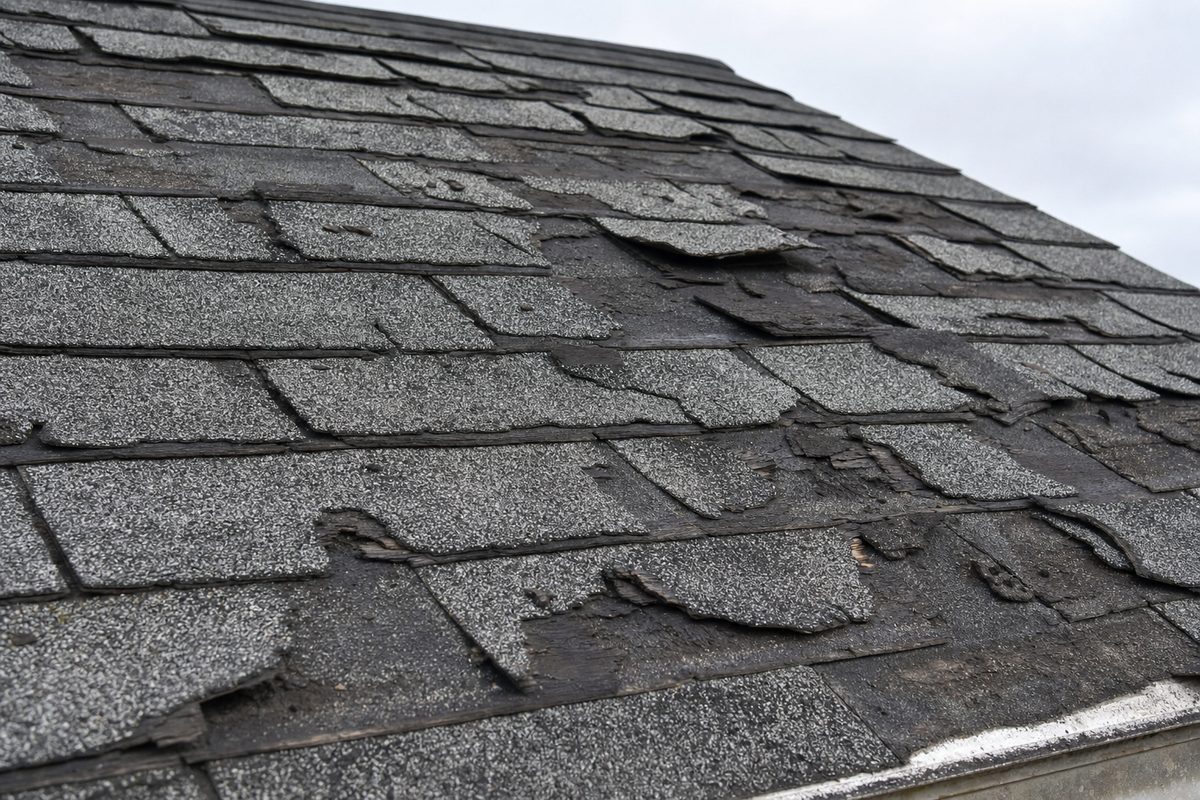
Curling shingles, granules in gutters, attic daylight, sagging, and age can signal a roof needs replacement. Learn what each sign means and how urgently to act.
Five signs your roof needs replacement: the quick answer
A few damaged shingles or a single failed pipe boot can often be repaired. Replacement becomes more likely when damage is widespread, leaks keep returning, the roof is near the end of its useful life, or the deck beneath the roof is compromised. The five common warning signs are curling or missing shingles, heavy granule loss, daylight or water in the attic, a sagging roof line, and age combined with visible wear. None is a diagnosis by itself. The right next step is a focused inspection that identifies the cause, the extent of damage, and whether a repair will actually last.
Repair or replace: start with the pattern, not one symptom
The same symptom can lead to different answers. One missing shingle after a storm is not the same as missing shingles across multiple slopes. A water stain can come from a small flashing issue, or it can reveal months of saturated sheathing. Look for repetition, spread, and age. If the problem is isolated and the rest of the roof is sound, a repair is often reasonable. If failures are appearing in many places, a new roof may be less wasteful than a series of patches. A prompt evaluation also helps avoid the cost escalation that comes from delaying repairs.
| Symptom | Likely cause | Repair or replacement verdict | Urgency |
|---|---|---|---|
| A few missing shingles | Wind damage or failed fasteners | Often repairable if surrounding shingles are sound | Schedule soon |
| Widespread curling or cracking | Aging, heat, ventilation issues | Replacement is often more realistic | Schedule promptly |
| Granules filling gutters | Shingle wear or storm damage | Inspect; replacement if loss is widespread | Schedule promptly |
| Attic daylight or active water | Openings, failed flashing, deck damage | Repair or replacement depends on extent | Urgent |
| Sagging roof line | Moisture-damaged decking or framing | Structural evaluation and likely replacement work | Urgent |
1. Curling, buckling, or missing shingles
Curling shows up as shingle corners lifting or edges rolling upward. Buckling can look like a raised wave or wrinkle across a slope. Missing shingles leave bare patches or expose underlayment. Heat, age, wind, poor ventilation, incorrect fastening, and moisture movement in the deck can all contribute. A small, recent loss can often be repaired with a matching shingle and a check of nearby fasteners. Widespread curling or buckling is different: it usually means the roof covering is no longer protecting consistently. Treat exposed areas as urgent before rain drives water beneath the surrounding shingles.
2. Granules collecting in gutters
Asphalt shingles use mineral granules to shield the asphalt layer from sunlight and weather. A small amount of loose grit can appear after installation or a storm. The concern is heavy, repeated loss, especially when shingles also look bald, patchy, or brittle. It can be caused by normal aging, hail impact, heat, or abrasion. Clean gutters make it easier to see whether the material returns after rain. Granule loss alone does not prove that the roof needs replacement, but a roof with heavy loss across several slopes has less protection left. An inspector should check whether the pattern is localized or roof-wide.
3. Daylight, damp insulation, or water in the attic
On a dry, sunny day, look in the attic with the lights off. Pinpoints of daylight, wet sheathing, damp insulation, or water trails can reveal a roof opening. The source may be a missing shingle, a failed vent boot, worn flashing, a nail hole, or a larger deck issue. Water can travel before it drips, so the spot above a ceiling stain is not always the entry point. This sign deserves fast attention because insulation holds moisture and wet wood can deteriorate. A focused repair can solve an isolated opening; repeated leaks or extensive wet decking may justify replacement work.
4. A sagging or dipping roof line
Stand back at the curb and look across the ridge and roof planes. A healthy roof line should look even. A dip between rafters, a soft-looking plane, or a visibly sagging ridge can mean the decking has absorbed moisture, framing has been stressed, or a structural issue exists. This is not a cosmetic shingle problem to cover over. Do not walk on a visibly sagging roof or let someone simply add another layer of roofing over it. Arrange an urgent professional assessment. The repair may include targeted decking or framing work, and replacement of the roof covering may be part of restoring a safe, watertight assembly.
5. Age combined with visible wear
Age alone does not tell you the exact condition of a roof, but it changes how you interpret other signs. An asphalt roof near the end of its expected service window is less likely to justify repeated repairs when it also has brittle tabs, granule loss, or multiple leaks. A younger roof with one storm-damaged area may be a repair candidate. Find the installation date if you can, then compare it with the product type, weather exposure, ventilation, and maintenance history. If you are weighing asphalt against a longer-lived alternative, the asphalt versus metal comparison explains the budget and durability trade-offs.
How urgent is each sign?
Active water entry, wet attic materials, and sagging should move to the top of your list. Use a bucket or temporary protection only as a short stopgap, then arrange professional help. Missing shingles, open flashing, and exposed underlayment should be scheduled quickly before the next rain or wind event. Curling and granule loss without a leak still deserve a prompt inspection, because the roof can be losing its protective margin. Do not wait for an interior stain to appear. By then, water may have passed through the deck and insulation already.
| What you see | What to do now | What not to assume |
|---|---|---|
| Active leak or wet attic | Arrange urgent assessment and document the area | That the ceiling stain identifies the entry point |
| Sagging or soft roof line | Keep off the roof and seek urgent evaluation | That new shingles alone fix the problem |
| Missing or lifted shingles | Schedule a repair inspection before weather arrives | That a patch will match or last forever |
| Granules or curling | Check gutters and request a condition assessment | That one sign alone proves total replacement |
| Older roof with repeated repairs | Compare repair cost to remaining useful life | That another repair is always cheaper |
How to get a useful inspection and quote
Ask for an explanation of where water is entering, what caused it, how much roof area is affected, and what the repair is expected to accomplish. A good scope distinguishes shingle work from decking, flashing, ventilation, and interior repairs. Be cautious with a blanket recommendation based only on roof age, and be equally cautious with a cheap patch that ignores widespread wear. National Roofers lets you get an instant satellite-measured quote without an in-home sales appointment, then connects the job with a vetted local contractor to verify conditions. Keep the written scope and photos for your records.
Replacement planning before the next emergency
If replacement is the better answer, choose the system before the leak forces a rushed decision. Compare the material, tear-off, underlayment, labor, flashing, and deck-repair allowance rather than only the total price. Architectural shingles are a common full-replacement choice, and the difference from three-tab materials can be smaller than expected; see architectural versus 3-tab shingles for the actual per-square comparison. You can also start a no-pressure roof quote to set a budget before the next storm makes timing harder. Planning early also gives you time to verify contractor credentials, workmanship terms, and material choices instead of accepting the first emergency proposal.
Frequently Asked Questions
How do I know if my roof needs replacement or repair?
A repair often works when damage is isolated and the rest of the roof is in good condition. Replacement is more likely when curling, leaks, missing shingles, or granule loss are widespread; when the deck is damaged; or when the roof is old and repairs keep returning. An inspection should identify the cause and extent.
Do curling shingles mean I need a new roof?
A few curled shingles can sometimes be addressed locally, but widespread curling is a warning that the covering is aging or has a ventilation, fastening, or moisture problem. Schedule an inspection promptly, especially if the roof is older or there are other signs such as leaks or granule loss.
Are granules in gutters a sign of roof failure?
Some granules can appear after installation or storms. Heavy, continuing buildup paired with bald-looking or brittle shingles suggests meaningful wear. It does not automatically require a full replacement, but it is a good reason to inspect the roof and determine whether the loss is localized or widespread.
Is daylight in my attic an emergency?
It can be. Daylight, wet sheathing, damp insulation, or active water means the roof system has an opening or failed detail. Arrange an assessment quickly because water can travel through insulation and wood before it appears as a ceiling stain. The needed work depends on the extent of the damage.
What does a sagging roof mean?
A sagging or dipping roof line can signal moisture-damaged decking, stressed framing, or another structural concern. Do not walk on it or assume shingles alone will solve it. Arrange an urgent professional evaluation to identify what needs repair and whether replacement work is required.
Can I get a roof replacement estimate without letting someone inside?
Yes. You can get a remote roof quote with satellite measurement by entering your address. National Roofers provides an initial price in about two minutes without an in-home sales visit. A contractor will still need to verify roof condition and any hidden damage before the final scope.