What Does a Roofing Contractor Actually Do?
How-To · 2026-06-15 · National Roofers Team · 7 min read
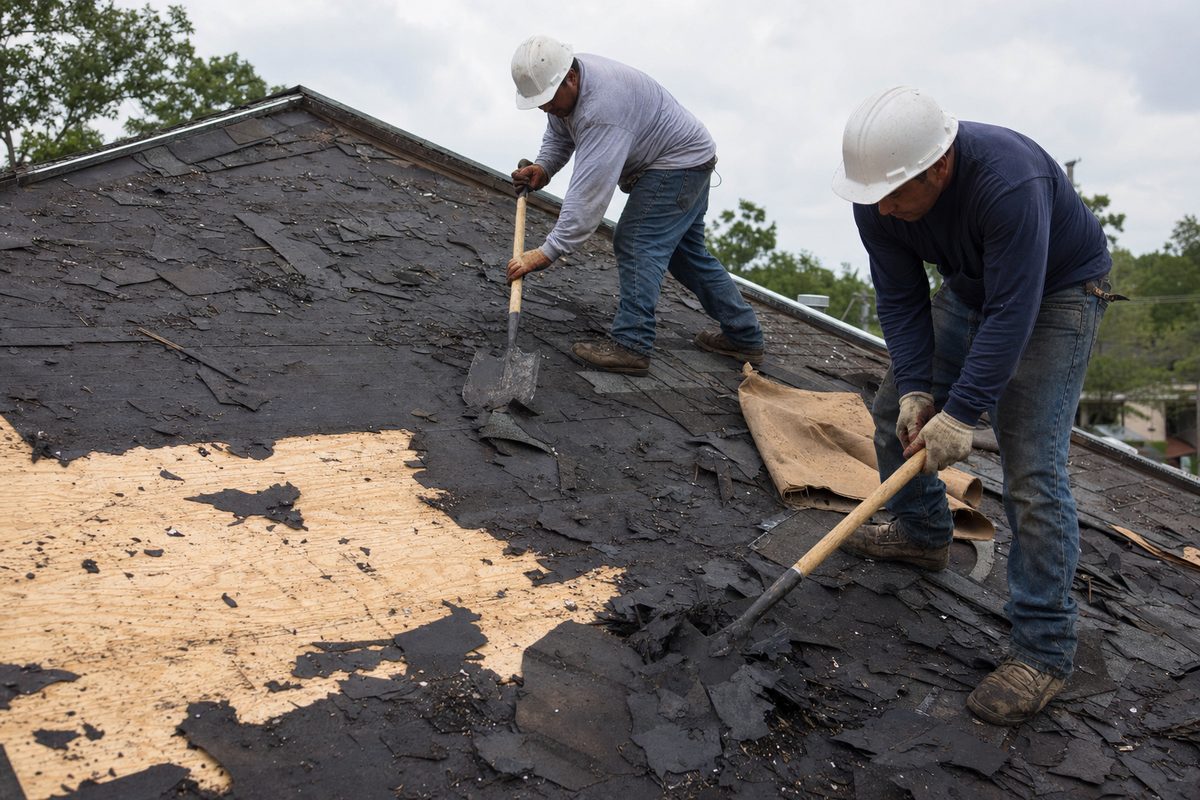
A roofing contractor does far more than nail on shingles. Learn the full process from measurement and permitting through tear-off, deck repairs, flashing, ventilation, cleanup, inspection, and warranties.
Quick answer: a roofing contractor rebuilds a weather system, not just a shingle surface
A good roofing contractor measures the roof, defines the scope, handles permitting where needed, removes old materials, checks the deck, installs water-shedding layers, details the flashing and ventilation, installs the finish roof, cleans up, and closes out warranties. Shingles are visible, but they are only one part of the system. The work under and around them determines whether water can get past a chimney, pipe, valley, wall, or vent. Before you compare proposals, get a satellite-measured roof quote so you can see the roof size and material choices without an in-home sales appointment.
The contractor starts with inspection, measurement, and scope
A contractor first needs to understand roof area, pitch, valleys, penetrations, existing layers, and visible condition. Remote measurement can establish the roof area quickly, while an on-site review confirms access and identifies conditions hidden from satellite imagery. The proposal should name the shingle line, underlayment, flashing approach, ventilation work, disposal, and how unforeseen deck repairs are handled. If a quote says only shingles and labor, it is difficult to compare fairly. The cost components should make sense against roof size, material, and job complexity, not just a low lump sum.
Permits and setup happen before the first shingle comes off
Permit rules vary by city and county, so a contractor should confirm whether a permit or final inspection is required before starting. The crew also plans dumpster placement, material delivery, driveway access, safety equipment, and property protection. This is when a homeowner should confirm gate access, vehicle locations, pets, and landscaping concerns. Good setup makes the job safer and reduces damage risk. It also creates a clean path for hauling old material away. If the contractor cannot explain who pulls the permit, whether it is included, or how inspections are coordinated, get that answer in writing before work begins.
| Stage | What the contractor does | Why it matters |
|---|---|---|
| Measure and inspect | Confirms roof area, pitch, details, access, and existing condition | Creates a usable scope instead of a guess |
| Permit and setup | Coordinates permits where required, delivery, disposal, and protection | Avoids administrative and property-access surprises |
| Tear-off and deck review | Removes old layers and checks the wood roof deck | Reveals damage that cannot be assessed through old shingles |
| System installation | Installs underlayment, flashing, ventilation, shingles, and ridge materials | Builds the layers that move water and heat correctly |
| Closeout | Cleans up, performs a magnet sweep, documents work, and registers warranties | Leaves a safe site and a record of what was installed |
Tear-off exposes the deck and any concealed damage
Once old shingles and underlayment are removed, the contractor can inspect the wood decking directly. Damaged, soft, or delaminated sheets should be replaced before new materials cover the roof. This is the point where a contractor may ask for approval on additional deck work; the contract should say how that authorization happens and how it is priced. A full tear-off also lets the crew correct problems that an overlay might hide, such as old flashing or deteriorated edges. The actual crew time remains short on many homes, but deck repairs are one reason to understand how long roof replacement takes. Before work starts, review how to prepare your home for a roof replacement.
Underlayment, flashing, and ventilation do the hidden work
Underlayment is the secondary water-shedding layer under the shingles. Flashing directs water away from the places shingles alone cannot protect, including chimneys, pipe penetrations, walls, skylights, valleys, and transitions. Ventilation helps manage attic heat and moisture when the roof assembly and intake paths are designed correctly. These are common places for shortcuts because they take skilled detail work and are less visible from the street. They are also common origins of leaks. Ask what flashing will be replaced rather than assuming the crew will reuse old pieces. This section of the job deserves more attention than the shingle color.
Installation includes more than field shingles
The crew installs edge metal where specified, starter materials, underlayment, field shingles, and ridge components in the correct sequence. Shingles are installed from the lower roof upward so each course sheds water over the one below it. Valleys and penetrations need their own methods and materials. Ridge vents, intake ventilation, and hip or ridge caps are installed only after the field work is ready. A clean-looking roof can still fail if the details are wrong, which is why homeowners should compare scope, not only brand names. For a Texas cost comparison, see roof replacement cost in Houston before you sign.
Cleanup and final inspection are part of the contract
At the end of the job, the contractor removes loose materials, clears gutters and accessible work areas, and uses a magnetic roller to collect nails from the ground. A magnet sweep reduces risk but does not make a work zone instantly safe for bare feet or children, so follow the crew's instructions. The final review should cover obvious workmanship, ventilation and flashing details, and any permit inspection required locally. Keep a copy of the final invoice, permit record, material information, and warranty paperwork. If progress tracking is available, you can follow your project status rather than guessing what comes next.
Manufacturer warranties and workmanship warranties cover different risks
A manufacturer warranty generally addresses defects in the roofing product under that manufacturer’s terms. A workmanship warranty addresses errors in installation by the contractor. Neither one is a blanket promise against every leak, weather event, or maintenance problem, so read the exclusions and duration. Ask who administers each warranty, how service requests are handled, and whether the installer will register the product. The contrast below helps explain why an impressive material warranty does not replace a contractor's installation guarantee. Keep copies with the contract.
| Warranty type | Usually covers | Key question to ask |
|---|---|---|
| Manufacturer warranty | Defects in the roofing product, subject to product terms | Which products are covered and who handles registration? |
| Workmanship warranty | Installation errors covered by the contractor's written terms | How long does it last and what is the service process? |
| Neither warranty | Normal aging and maintenance issues | What exclusions apply? |
Use the process to compare contractors, not just prices
Two quotes can look similar while leaving out different layers of work. Ask each contractor to identify the decking allowance, underlayment, flashing, ventilation, disposal, permits, cleanup, and warranty terms. For a 22-square roof, National Roofers’ quote engine lists architectural asphalt materials at $120 per square, plus $85 labor, $45 tear-off, and $28 underlayment per square before details, taxes, permits, and site conditions. That is a useful starting point, not a universal installed price. When timing affects the decision, read the best time of year to replace a roof in Texas. Get an instant address-based quote and compare the itemized scope before choosing the lowest number.
Frequently Asked Questions
What does a roofing contractor do during a replacement?
A roofing contractor measures and inspects the roof, coordinates permits where required, protects the property, tears off old layers, checks the deck, installs underlayment, flashing, ventilation, shingles, and ridge components, then cleans up and completes final inspection and warranty paperwork. The visible shingles are only one part of the job.
Do roofers replace rotten plywood?
They should replace roof decking that is damaged, soft, delaminated, or otherwise unable to hold new materials properly. Because this condition may not be visible until tear-off, the contract should explain how repair pricing is handled and how the contractor will obtain your approval before doing additional work.
Why is flashing important on a roof?
Flashing directs water away from joints and openings that shingles alone cannot protect, including chimneys, pipe vents, walls, skylights, valleys, and roof transitions. Poorly installed or reused flashing is a common source of leaks. Ask exactly what flashing will be replaced and how the details are included in the scope.
What is the difference between a manufacturer and workmanship warranty?
A manufacturer warranty normally covers qualifying defects in the roofing product under the manufacturer’s terms. A workmanship warranty normally covers installation errors under the contractor’s written terms. They are separate protections, with different lengths, exclusions, and service processes. Read both before relying on a warranty promise.
Should a roofer clean up nails after replacement?
Yes. Cleanup should include debris removal and a magnetic sweep of accessible ground areas to collect stray nails. Because no cleanup method is perfect, keep children and pets out of the work area until the contractor confirms the job is complete. Check that the cleanup and disposal plan appears in the written agreement.