Best Time of Year to Replace a Roof in Texas
Tips · 2026-07-10 · National Roofers Team · 8 min read
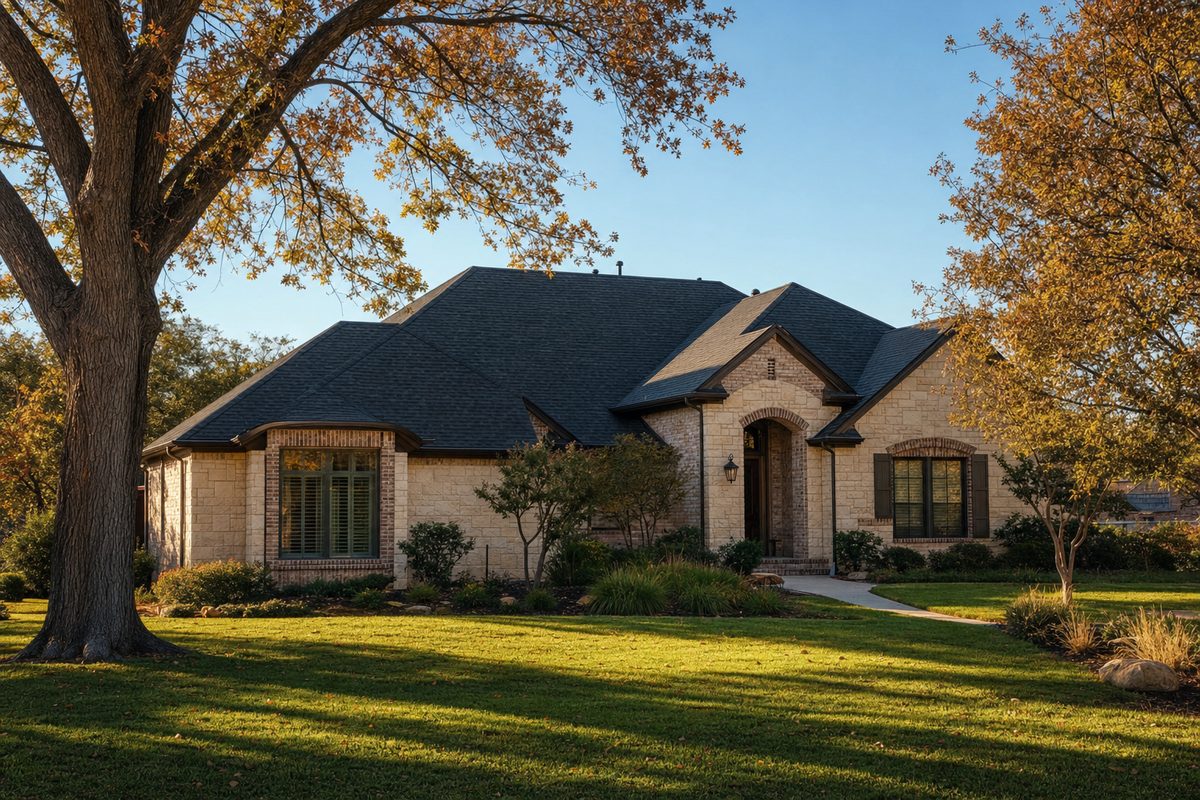
The best time to replace a roof in Texas is often late winter, early spring before storms, or fall. Learn how heat, hail season, contractor availability, and post-storm demand affect timing and price.
Quick answer: plan before storm demand, not after it
Texas roofs can be replaced in most months, but the best planning windows are often late winter, early spring before major storm demand, and fall. These periods can offer milder installation conditions and more time to compare scope and scheduling. After a hail event or widespread windstorm, availability tightens quickly and homeowners are more likely to shop under pressure. October and November are often attractive because temperatures are milder and contractor demand can ease after summer. Start early with a satellite-measured roof quote so you can compare options before a leak or storm forces the decision.
Why late winter and early spring can be a better value
January and February can be workable in much of Texas when the weather cooperates, and they often provide more scheduling flexibility than the period after spring storms. Early spring can also be a good window if you schedule before hail activity drives demand. Cold snaps still matter: asphalt shingles should not be handled when they are brittle, and sealing performance depends on temperature and product instructions. The goal is not to chase the lowest calendar price at any cost. It is to book enough lead time for a careful installation, realistic weather decisions, and a fully itemized scope. See how long a roof replacement takes when setting your deadline.
Hail season changes availability and shopping pressure
Texas hail and severe-weather events can create a sudden surge in inspections, material demand, and installation bookings. The schedule impact varies by location and by the size of the weather event, but the pattern is consistent: once many roofs need attention at the same time, homeowners have fewer unhurried choices. That is why the busy period after widespread damage is usually the worst time to start comparing contractors if your roof is not an emergency. If you do need work after severe weather, slow down enough to verify the written scope, cleanup plan, warranty, and start date. Read what a roofing contractor actually does so you can compare scope, not just promises, when time is short.
Extreme summer heat creates real installation challenges
Texas summer sun can push roof-surface temperatures far above the air temperature. That heat makes work harder on crews and can make shingles soft and easier to scuff during handling. It also changes how quickly materials heat up and how carefully a crew must manage foot traffic, storage, and installation timing. Summer replacement is still possible, especially for an urgent leak or storm loss, but it deserves a contractor who is willing to schedule responsibly rather than rush. Peak-season demand can also make pricing and start dates less favorable after storms. Do not delay an active leak for a preferred month; protect the home first, then make the most informed permanent-replacement decision you can.
Texas month-by-month replacement guide
Conditions vary between the Panhandle, North Texas, Central Texas, the Hill Country, and the Gulf Coast, so no calendar can promise perfect weather. Use this table as a planning guide rather than a weather forecast. The recommendation assumes you have a roof that needs replacement but is not actively leaking or unsafe. If a roof has storm damage or exposed decking, prompt professional assessment matters more than seasonal timing.Always confirm the forecast and crew plan locally. before starting any work.
| Month | Planning recommendation | Main consideration |
|---|---|---|
| January | Often a good value window | Watch for cold snaps and rain |
| February | Good time to request quotes and book | Flexible schedules may be easier before storm demand |
| March | Book early if replacing proactively | Hail and severe weather activity can begin |
| April | Proceed if scheduled; avoid waiting after storms | Availability can tighten quickly |
| May | Good only with a firm plan | Storm activity and seasonal demand may rise |
| June | Replace if needed, but expect heat and demand | Crew safety and hot materials require careful timing |
| July | Viable for urgent work; plan for heat | High roof temperatures and busy schedules |
| August | Viable but often challenging | Extreme heat and late-summer storm risk |
| September | Watch forecasts and schedule ahead | Heat can persist; storm conditions vary |
| October | Often one of the best windows | Milder weather and less post-summer pressure |
| November | Often a strong choice | Mild conditions before colder periods |
| December | Possible with weather flexibility | Shorter days and occasional cold fronts |
Fall combines mild conditions with less urgency
Fall is often the most comfortable all-around replacement period in Texas, especially October and November. Milder daytime conditions help crews work safely and can be friendlier to asphalt-shingle handling than peak summer heat. Fall also gives homeowners time to complete work before colder fronts and winter rain patterns complicate scheduling. It is not automatically cheap, because local demand can remain high after a busy storm season. Get scope and timing details in writing instead of assuming a season guarantees a discount. For planning around delivery, disruption, and the crew schedule, use how to prepare your home for a roof replacement.
Compare scope and price before a storm makes the choice for you
The best time to shop is when you can inspect the proposal calmly. Ask about tear-off, decking, underlayment, flashing, ventilation, permit handling, disposal, and warranty terms. For orientation, National Roofers’ quote engine lists architectural asphalt at $120 per roofing square in materials, plus $85 labor, $45 tear-off, and $28 underlayment per square before complexity, repairs, permits, and local conditions. A roughly 2,000-square-foot home can be about 22 squares once pitch and waste are included. Compare those components with the ranges in Dallas-Fort Worth roof replacement costs rather than relying on a seasonal sales message.
| Timing window | Availability and pricing pressure | Installation-planning focus |
|---|---|---|
| Late winter | Often more time to compare schedules before storm demand | Watch cold snaps and choose a contractor with a weather plan |
| Early spring before storms | Can be a practical proactive booking window | Book early because conditions can change quickly |
| Post-storm late spring and summer | Availability often tightens and hurried decisions are more likely | Verify scope, warranty, and start date carefully |
| Fall | Often milder conditions with more measured planning | Confirm local demand and schedule before colder fronts |
Texas timing broadly resembles other hail-belt states, with local differences
The basic strategy also applies broadly in Colorado, Oklahoma, Kansas, and Nebraska: a hail event can compress contractor availability and make rushed shopping riskier. Weather seasons, temperature limits, local code rules, and material lead times differ by state and city, so Texas homeowners should not treat another state's calendar as their own. This article stays focused on Texas because heat and storm timing are significant local factors. Wherever you live, the fundamentals are the same: avoid delaying an active leak, plan a non-emergency replacement before a rush when possible, and make sure the contractor explains the whole roof system.
Choose the date based on roof condition, not a calendar slogan
Do not wait for October if shingles are missing, water is entering the home, or the deck may be compromised. A timely repair or replacement can prevent a smaller issue from becoming interior damage. Conversely, a roof that is still protecting the home may give you time to obtain a detailed scope before peak demand. The right date balances urgency, forecast risk, schedule availability, and the contractor's ability to do careful work. Get an instant address-based roof quote to establish a starting budget, then confirm the installation window and weather plan before signing. Timing interacts with local pricing, so pair this with the cost breakdown for your metro: San Antonio or Austin.
Frequently Asked Questions
What is the best month to replace a roof in Texas?
October and November are often strong choices because conditions are typically milder after the worst summer heat. Late winter and early spring can also be good planning windows before storm demand rises. The best month for your home depends on roof condition, local weather, contractor availability, and whether you need urgent work.
Is winter a good time to replace a roof in Texas?
Winter can be a good time in many parts of Texas because schedules may be more flexible and temperatures are often workable. The important exception is a cold snap: asphalt shingles can become brittle in cold conditions, so a responsible contractor should adjust the schedule rather than force installation in unsuitable weather.
Why is it harder to find a roofer after hail season?
A widespread hail or wind event can create many inspections, material orders, and replacement requests at once. That surge limits availability and can make homeowners feel rushed. If the roof is not an emergency, getting quotes before the rush gives you more time to compare the contractor, scope, cleanup plan, and warranty.
Can roof shingles be installed in extreme Texas heat?
Yes, but the contractor should manage the work carefully. Very hot roof surfaces are harder on crews and can make asphalt shingles soft or easier to scuff during handling. A careful crew plans safe work periods, protects materials, and does not sacrifice flashing, ventilation, or installation details just to finish faster.
Should I wait for fall to replace a leaking roof?
No. An active leak, missing shingles, or suspected deck damage should be assessed promptly. Waiting for a preferred season can allow water to damage decking, insulation, ceilings, or belongings. Stabilize the problem first, then decide with a qualified contractor whether repair or full replacement is the right next step.