The True Cost of Delaying Roof Repairs
Tips · 2026-04-28 · National Roofers Team · 8 min read
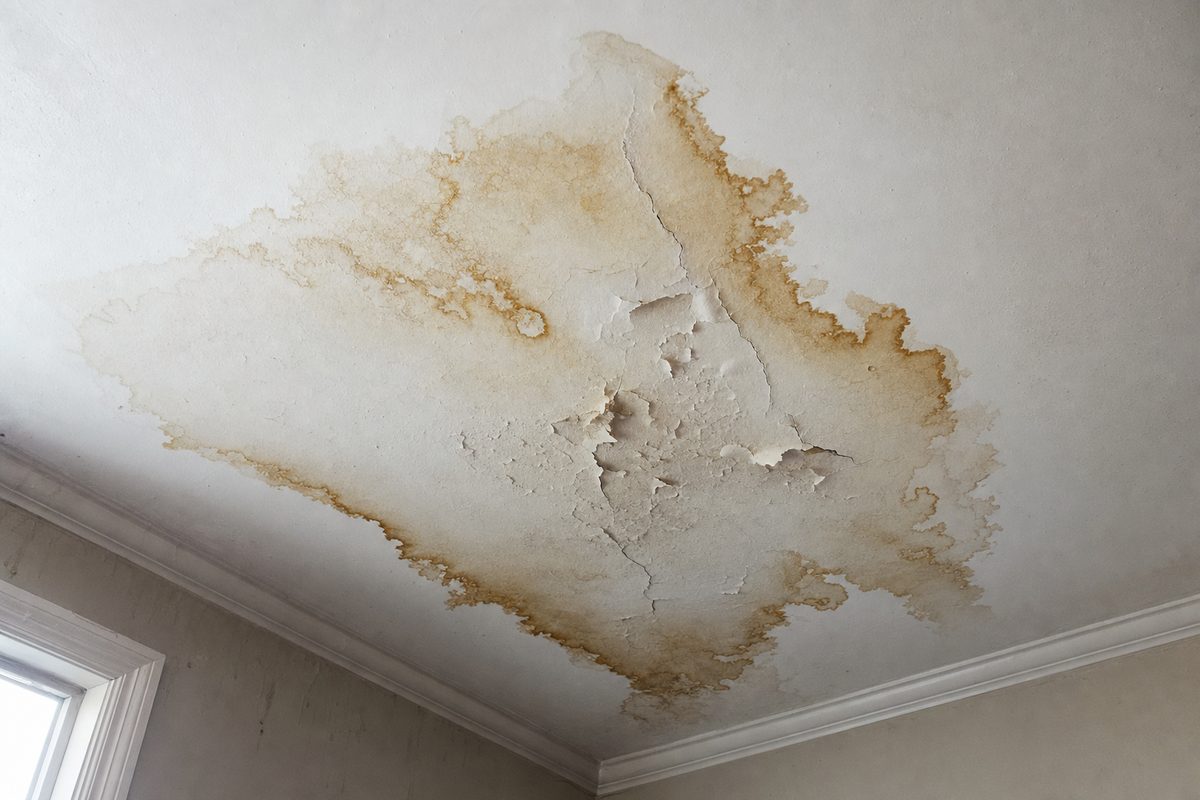
A $600 roof repair can grow into decking, rafter, insulation, drywall, paint, and mold-remediation costs when a leak is left open. See the likely escalation timeline.
The cost of delaying roof repairs: the quick answer
Waiting is expensive when water is already entering the roof system. A $600 repair for a small flashing failure or limited shingle damage can stay small only if the deck, insulation, and interior finishes remain dry. Once water reaches those layers, the job changes from a roof repair to a roof, carpentry, insulation, and drywall problem. The timeline is not exact because rain, roof design, ventilation, and the size of the opening matter. Still, the pattern is consistent: the longer a leak remains active, the more materials it can damage. First determine whether the roof needs repair or full replacement.
What a $600 repair can become over time
The following table is an illustrative 2026 escalation scenario, not a promise of what any one roof will cost. It starts with a limited $600 repair such as a failed pipe boot, small flashing repair, or localized shingle replacement. Costs rise when recurring water affects roof decking, attic insulation, and the ceiling below. A dry climate or a leak caught early can be less costly; repeated storms can make the damage worse much faster. The important decision is not to guess from the stain. Find the entry point and document what is wet.
| Delay | Likely added damage | Possible scope | Illustrative total |
|---|---|---|---|
| Repair now | No known secondary damage | Flashing or small shingle repair | $600 |
| About 6 months | Wet deck area, stained ceiling possible | Repair plus limited decking and interior patching | $1,200–$3,000 |
| About 2 years | Repeated wetting of decking, insulation, drywall | Roof repair or partial reroof, deck, insulation, drywall work | $4,000–$10,000 |
| About 5 years | Widespread deterioration or recurring interior damage | Replacement-level roofing scope plus deck, insulation, drywall work | $12,000–$25,000+ |
At six months, the roof can stop being a simple patch
Six months does not always mean disaster, especially if there was little rain and the leak was intermittent. But a small opening around a vent, wall flashing, or missing shingle can repeatedly wet the same section of wood. The first visible evidence might be a ceiling ring, softened paint, damp insulation, or a musty attic smell. At that point, a roofer may need to remove surrounding roofing to see the deck, replace damaged wood, and correct the original flashing detail. Interior patching may also be needed. This is why it is smart to schedule a repair as soon as you notice a change instead of waiting for a stronger storm.
At two years, insulation and drywall enter the equation
Two years of intermittent leakage can affect much more than the roof surface. Wet insulation loses usefulness, can hold moisture against wood, and may need to be removed. Ceiling drywall can stain, sag, or crumble, and paint repairs can reveal a larger area than the original stain. If the roof covering around the leak is old or failing in several places, a contractor may recommend a broader replacement rather than open and close the same area repeatedly. This is not a universal rule; it depends on the roof's age and condition. Ask for a written explanation of what is repairable and why.
At five years, a small opening can force replacement-level work
A five-year delay can create a replacement-level project because roof decking is part of the base that holds the new roofing system. If multiple areas are soft, rotted, or stained, the crew cannot responsibly install new materials over them. The home may also need insulation and drywall work after the roof is made watertight. A $12,000 to $25,000-plus scenario in the table combines those possibilities; it is not a standard price for every home. Roof size, material, access, and the extent of hidden damage all matter. The lesson is that a known leak should be treated as a limited repair only while it is still limited.
Why leaks spread farther than the stain
Water follows framing, underlayment laps, wiring paths, and gravity. It can enter near a vent or valley and show up several feet away on a ceiling. That is why caulking over a visible crack may not solve the true cause, and why an interior repair should not come before finding the roof entry point. Some moisture problems also come from condensation or plumbing rather than roof failure. A proper evaluation checks the roof surface, flashing, attic side of the deck, insulation, and the path of water. The symptom guide in five signs a roof needs replacement can help you record what you see before the assessment.
The out-of-pocket cost of waiting
A small roof opening becomes expensive when water reaches materials below the shingles. Wet decking can delaminate or soften, and repeated moisture can spread into framing members. A limited flashing repair can then become decking replacement, rafter repair, insulation removal, drywall replacement, texture work, and paint. Damp materials can also create conditions that require professional mold remediation before the interior can be closed again. The best way to control the out-of-pocket total is to address a leak while the wet area is small, then confirm the repair corrected the entry point. Keep repair invoices and written scopes so you know what was corrected and can spot a recurring problem early.
| Record | Why keep it | When to gather it |
|---|---|---|
| Dated photos or video | Shows condition and visible change | At discovery and after storms |
| Repair invoice and scope | Documents what was fixed and why | After each repair |
| Contractor assessment | Explains observed roof conditions | Before major work |
| Inspection notes and written scopes | Explains observed conditions and recommended work | Before major work or after a recurring leak |
When a repair is still the right financial move
Prompt repair is usually the economical choice when the roof is otherwise sound, the problem has a clear and isolated cause, matching materials are available, and the work will preserve meaningful remaining life. Examples include a damaged pipe boot, limited flashing failure, or a few shingles lost in a recent storm. Repair becomes a weaker choice when leaks recur, damage appears on several slopes, shingles are brittle throughout, or the roof is near the end of its service life. The table below is a decision aid, not a substitute for inspecting the roof assembly. A low repair price is not a good value if the same leak returns next season.
| Condition | Usually favors repair | Usually favors replacement |
|---|---|---|
| Damage area | One defined location | Multiple slopes or recurring locations |
| Roof condition | Most shingles remain sound | Widespread wear, curling, or brittleness |
| Decking | Dry and solid | Soft, rotted, or repeatedly wet |
| Expected outcome | Extends useful life meaningfully | Only postpones another major repair |
Get a scope while the problem is still small
Do not authorize a vague repair that says only 'seal leak.' Ask which component failed, what surrounding materials will be checked, and what happens if wet decking is found. If the roof needs replacement, an itemized proposal should separate material, labor, tear-off, underlayment, and repair allowances. National Roofers can get you an instant satellite-measured quote based on your address in about two minutes, without an in-home sales appointment, and then matches the work with a vetted local contractor. Use the initial number to plan, but expect site conditions to be confirmed before a final scope.
Act before the next weather cycle
If you have an active leak, a growing stain, wet attic insulation, lifted shingles, or a sagging area, act before the next rain or wind event. Take photos, move belongings away from the wet area, and seek qualified assessment; do not walk on a visibly compromised roof. If the issue is not an emergency but you suspect the roof is nearing replacement, use the time to compare materials, scope, and contractors instead of waiting for a crisis. You can start a no-pressure roof quote and read how to choose the right roofing contractor before a rushed decision costs more. Climate accelerates this differently by region, as shown in our Denver and Indianapolis cost guides.
Frequently Asked Questions
How much can a small roof leak cost if I wait?
A limited $600 repair can become $1,200–$3,000 after about six months if decking or ceiling repairs are needed. With prolonged water damage involving insulation, drywall, and replacement-level roof work, the total can reach $12,000–$25,000 or more. Conditions and timing vary by home.
What can an old roof leak cost if I wait?
A leak that begins at flashing or a few shingles can spread into decking, rafters, insulation, drywall, texture, paint, and mold remediation. Acting while the wet area is limited usually gives you the smallest repair scope and the clearest path to a durable fix.
Should I repair or replace a leaking roof?
Repair is often right for an isolated issue on an otherwise sound roof. Replacement becomes more practical when leaks recur, wear is widespread, the roof is old, or decking is damaged. A contractor should identify the entry point, affected area, and the expected life of a repair before recommending either option.
Can a roof leak damage insulation?
Yes. Wet attic insulation can lose effectiveness and retain moisture against nearby wood. A recurring leak can also damage the roof deck and the drywall ceiling below. Finding and fixing the roof entry point promptly limits the chance that a small roofing repair becomes a larger interior project.
What should I do when I notice a ceiling stain?
Photograph the stain, move belongings away from it, and arrange an assessment of the roof and attic side of the deck. Do not assume the stain is directly under the roof opening, because water can travel. If the ceiling sags or water is active, treat it as urgent.
Can I get a roof repair or replacement quote remotely?
You can request an instant satellite-measured quote with your address and receive an initial price in about two minutes without an in-home sales visit. A local contractor must still inspect conditions that satellite measurement cannot confirm, such as wet decking or interior water damage.