Architectural vs. 3-Tab Shingles: Which Is Worth It?
Materials · 2026-07-05 · National Roofers Team · 7 min read
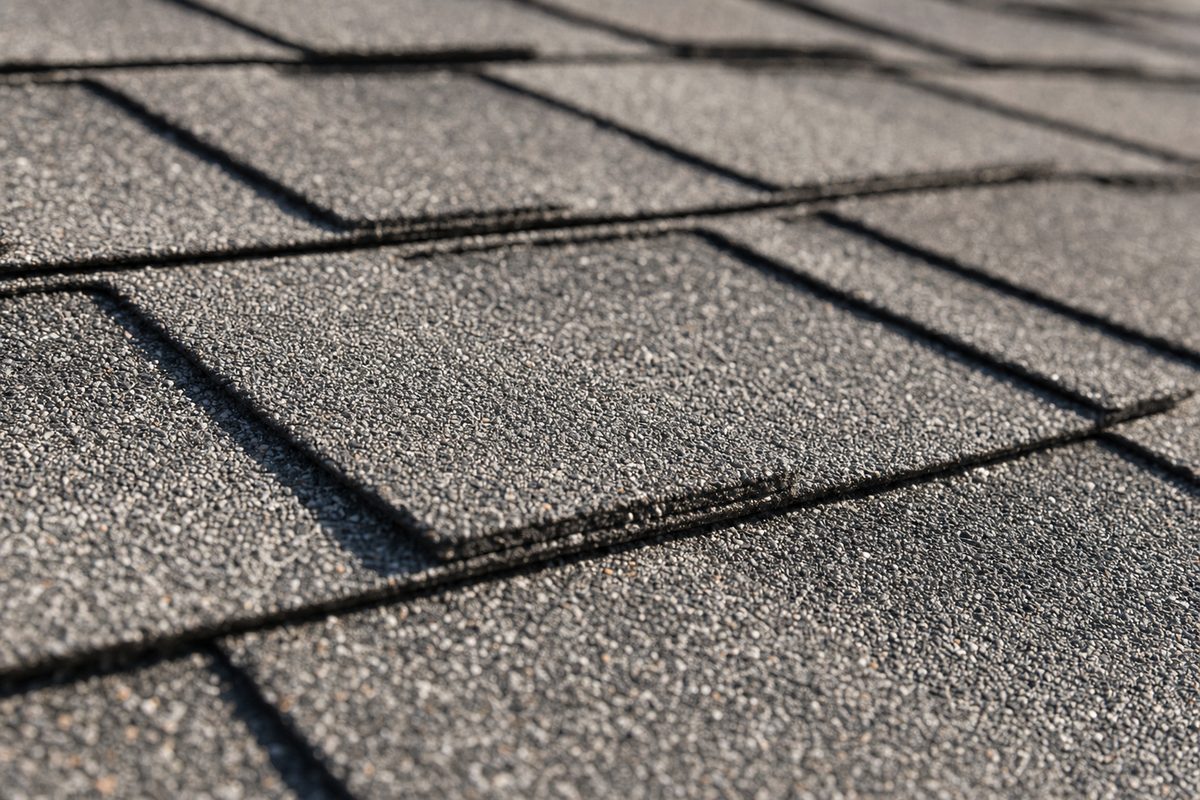
Architectural shingles usually cost only modestly more in materials than 3-tab shingles, while offering stronger wind ratings and longer warranties. See the real 2026 per-square math.
Architectural vs. 3-tab shingles: the short answer
For most owner-occupied homes, architectural shingles are worth the additional material cost. Three-tab shingles can still suit a very tight budget, a short-term property plan, or a repair that must match an existing three-tab roof, but they are rarely the best value for a full replacement. Architectural shingles have a layered, dimensional profile and are generally offered with stronger wind ratings and longer warranty terms than basic three-tab products. The answer still depends on the exact product and installation system. If the roof is failing across several areas, first confirm whether you need replacement rather than another repair.
The physical difference affects performance
Three-tab shingles are a single, flat strip with cutouts that create a uniform pattern. Architectural shingles use laminated layers, making them thicker and more dimensional. The visual difference is easy to see from the street, but thickness also gives the product more substance around its exposed edges. That does not make every architectural shingle equal or every three-tab roof defective. Installation, ventilation, flashing, and storm exposure still decide whether a roof performs well. Think of architectural shingles as the practical middle tier: a familiar asphalt system with a more durable construction and more color and profile options than entry-level three-tab.
The actual material price gap is $35 per square
National Roofers' 2026 quote engine prices three-tab asphalt materials at $85 per square and architectural asphalt at $120 per square. The difference is $35 per roofing square, or $770 on a 22-square roof, which is roughly the roof area of a 2,000-square-foot home after pitch and waste. Labor, tear-off, and underlayment are the same named baseline rates for both choices, so they do not create the material gap. Ridge caps, starter strips, flashing, decking repairs, access, and roof shape can change the final proposal. The point is simple: the initial material difference is smaller than many homeowners expect.
| Cost component | 3-tab asphalt | Architectural asphalt | Difference |
|---|---|---|---|
| Material per square | $85 | $120 | $35 |
| Material for 22 squares | $1,870 | $2,640 | $770 |
| Labor per square | $85 | $85 | $0 |
| Tear-off per square | $45 | $45 | $0 |
| Underlayment per square | $28 | $28 | $0 |
Wind ratings and warranty terms favor architectural shingles
Basic three-tab products are often rated for lower wind speeds, commonly around 60 mph, while many architectural systems are rated around 110 mph or higher when installed as specified. Published warranty lengths also tend to be shorter for three-tab and longer for architectural products. Those figures are product-specific, not promises that a roof will survive every storm or last exactly as long as its paperwork. Wind performance depends on the starter strip, nail placement, sealing, deck condition, and ventilation. Compare the actual data sheet for the line you are quoted. In wind and hail exposure, do not let a contractor substitute a lower-rated product without showing you the change.
The lifespan decision is really a replacement-cycle decision
A three-tab roof is commonly chosen with a shorter expected service window, while a quality architectural roof is intended to remain in service longer when installed and maintained well. The result is not just fewer years on paper. Replacing a roof also means disruption, tear-off, possible deck repairs, landscaping protection, and time spent reviewing proposals. Paying $770 more in materials on a 22-square example can be sensible if it helps you avoid choosing the weakest system now. It is still not a reason to ignore the rest of the roof assembly. A higher-grade shingle installed over damaged decking or poor flashing is not a durable roof.
| Factor | 3-tab | Architectural | What it means |
|---|---|---|---|
| Profile | Flat, uniform | Layered, dimensional | Architectural usually has more curb appeal |
| Wind rating | Often around 60 mph | Many systems around 110 mph or higher | Confirm the exact system |
| Warranty terms | Often shorter | Often longer | Read product and workmanship terms |
| Best fit | Lowest initial material cost | Most full replacements | Choose based on ownership plan and scope |
When three-tab can still make sense
Three-tab is not forbidden or automatically dishonest. It can make sense when the immediate budget is the only deciding factor, when a homeowner is matching a remaining three-tab roof after a small repair, or when a property will soon be sold and local expectations are modest. It is also a reasonable option if the lower cost lets you correct a pressing leak immediately rather than postpone essential work. But do not choose it simply because the total bid is lower. Compare the material line, wind rating, warranty terms, and all required accessories. A lower-priced roof that omits key components is not the same comparison.
Why installation details can outweigh the shingle label
Both shingle types rely on the rest of the roof system. Underlayment protects the deck beneath the shingles, flashing directs water away from penetrations and walls, and proper ventilation helps reduce heat and moisture buildup in the attic. A quote should name those components, along with tear-off, starter material, ridge cap, pipe boots, and how damaged decking is handled. Read what a roofing contractor actually does to see why those details matter. If a contractor only says 'new roof' without a scope, you cannot tell whether you are buying comparable protection.
Architectural asphalt versus metal is a different budget jump
Architectural shingles are often the better baseline comparison because their $120-per-square material price is only $35 above three-tab in the same quote engine. Moving to metal is a much bigger decision: metal shingles are listed at $280 per square and standing seam at $320. That added expense can make sense for a long-term owner, but it brings questions about hail dents, noise, and installer experience. See the full asphalt versus metal roofing comparison before assuming that the longest-lived material is always the best financial choice.
How to choose without being pressured
Get at least one itemized comparison that holds roof area and scope constant. On a 22-square roof, ask the contractor to show the $770 material difference between three-tab and architectural asphalt rather than burying it in a lump sum. Then verify the product line, wind rating, underlayment, flashing, tear-off, and workmanship terms. National Roofers can provide an instant satellite-measured quote without an in-home sales appointment, so you can start with an address-based comparison. If architectural is within your budget, it is usually the choice that better protects the value of a full replacement.
When repair is more sensible than either replacement
If damage is limited to a small, recent area and the surrounding shingles remain in good condition, a repair may be more appropriate than replacing the whole roof with either product. The decision changes when recurring leaks, widespread granule loss, brittle shingles, or age make more patches a poor use of money. Delaying a known leak also risks turning a small flashing or shingle job into wet decking and interior work. Review the cost of delaying roof repairs before deciding to wait through another season.
Frequently Asked Questions
Are architectural shingles worth the extra cost over 3-tab?
Usually, yes. National Roofers' 2026 material price is $120 per square for architectural asphalt versus $85 for three-tab, a $35-per-square difference. On a 22-square roof that is $770 in material cost, while architectural products commonly offer a stronger wind rating and longer warranty terms.
How much more do architectural shingles cost for a 2,000 square foot house?
A 2,000-square-foot home can measure roughly 22 roofing squares after pitch and waste. At the quote-engine prices, architectural shingles add about $770 in materials compared with three-tab. The full installed price also depends on tear-off, underlayment, flashing, deck repairs, access, and roof complexity.
Are 3-tab shingles still good?
They can be a functional budget roofing product when installed correctly, but they usually have a flatter appearance, lower wind rating, and shorter warranty terms than architectural shingles. For a full replacement on a primary home, their smaller material savings rarely outweigh those compromises.
What wind rating do architectural shingles have?
Many architectural shingle systems are rated around 110 mph or higher when installed to the manufacturer's specifications, while basic three-tab products are often around 60 mph. Ratings vary by product and system, so ask for the exact product data sheet rather than relying on a generic number.
Do architectural shingles last longer than 3-tab shingles?
They are generally designed and warranted for a longer service period, but no lifespan is guaranteed. Storms, attic ventilation, installation quality, flashing, and maintenance affect both products. Read the manufacturer warranty and the contractor workmanship terms for the exact shingle line you choose.
Can I compare shingle prices without a home sales visit?
Yes. You can get a satellite-measured roof quote by entering your address. National Roofers returns an initial price in about two minutes without an in-home sales appointment, so you can compare options privately. A contractor still confirms roof condition, access, and any hidden deck damage before work begins.