Roof Replacement Cost per Square Foot (2026 Guide)
Pricing · 2026-06-30 · National Roofers Team · 9 min read
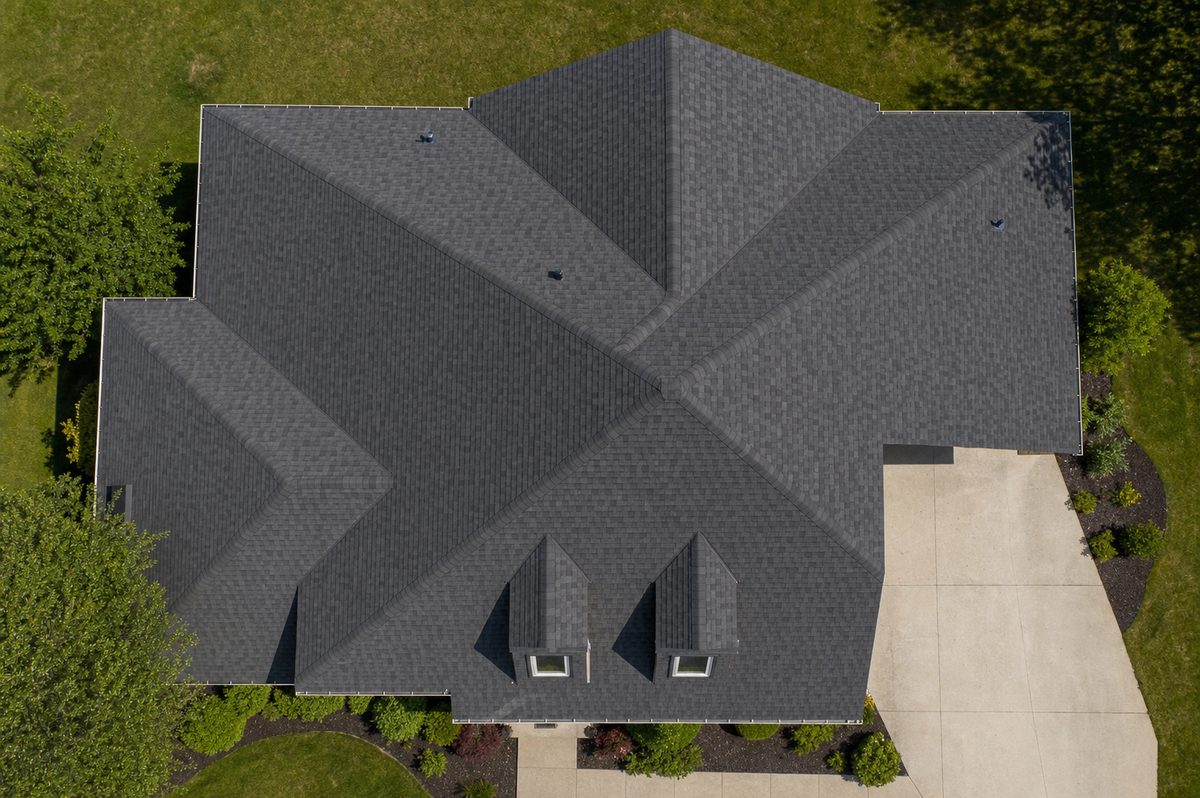
Roof replacement usually costs $4.50–$9.00 per square foot installed in 2026. Learn what a roofing square means, how to convert a quote, and which materials and roof details drive the price.
Quick Answer: Cost per Square Foot in 2026
Roof replacement typically costs about $4.50–$9.00 per square foot installed in 2026 for common residential work, but the range is broad because roof surface, material, pitch, and details matter. Before comparing numbers, learn one contractor term: a roofing square equals 100 square feet of roof surface. If a quote says 22 squares, it covers 2,200 square feet of roof area, not necessarily a 2,200 square foot house. A 2,000 square foot home can have 22 or more squares after slope, overhangs, and waste. The number becomes useful only when the bids include the same material system and the same removal scope. Start with measured roof area, then divide the total quote by that number. You can get an instant satellite-measured quote to avoid guessing at the square count.
| Material | Typical installed cost per sq ft | Typical installed cost per square |
|---|---|---|
| 3-Tab asphalt | $3.50–$5.00 | $350–$500 |
| Architectural asphalt | $4.50–$7.00 | $450–$700 |
| Designer asphalt | $6.00–$9.00 | $600–$900 |
| Metal shingles | $7.00–$14.00 | $700–$1,400 |
| Standing-seam metal | $12.00–$18.00 | $1,200–$1,800 |
| Cedar shake | $8.00–$13.00 | $800–$1,300 |
| Clay tile | $12.00–$20.00 | $1,200–$2,000 |
What Is a Roofing Square?
A roofing square is simply 100 square feet of roof surface. Roofers use squares because materials, labor, tear-off, and underlayment are often priced in 100-square-foot units. Convert a quote by multiplying squares by 100. For example, 22 squares equals 2,200 square feet. Convert a square-foot price by multiplying by 100; $5.50 per square foot equals $550 per square. This also explains why a house's listing size is not enough to price a roof. A low-pitch rectangle may have close to the home's footprint, while a steep roof with hips, dormers, and overhangs can have much more surface. Waste is not a mysterious markup when it is part of a measured material calculation, but it should be visible. Ask for the measurement report, not a salesperson's rough guess.
Price by Roof Size
Roof size sets the base cost, but it is roof area that matters. The following planning table uses a common architectural-asphalt installed range of $4.50–$7.00 per square foot. It is not a substitute for a scope because the same 22-square roof can cost very differently if it has two layers, a steep slope, many valleys, or soft plywood. A covered porch, attached garage, and added roofline can push area above the home size shown on a listing. Still, it is a fast way to spot a number that is far outside the expected range. If you are comparing city estimates, read the local guides for Houston roof replacement costs and Dallas-Fort Worth roof replacement costs.
| Roof area | Equivalent squares | Typical installed total |
|---|---|---|
| 1,500 sq ft | 15 squares | $6,750–$10,500 |
| 2,000 sq ft | 20 squares | $9,000–$14,000 |
| 2,200 sq ft | 22 squares | $9,900–$15,400 |
| 2,800 sq ft | 28 squares | $12,600–$19,600 |
| 3,500 sq ft | 35 squares | $15,750–$24,500 |
The Live Quote-Engine Component Prices
The installed ranges above include a full job, not just shingles. To show what sits underneath them, National Roofers' live quote engine prices architectural asphalt material at $120 per square, labor at $85, tear-off at $45, and underlayment at $28. The four components total $278 per square, or $2.78 per square foot. That is a real baseline, not a complete roof contract. A complete quote also needs starter and ridge materials, flashing, ventilation, disposal, permit handling where required, access, complexity, contractor overhead, and any approved repair work. The useful question is whether each of those additions is visible and explained.
| Component | Per square | Per square foot |
|---|---|---|
| Architectural asphalt material | $120 | $1.20 |
| Labor | $85 | $0.85 |
| Tear-off | $45 | $0.45 |
| Underlayment | $28 | $0.28 |
| Subtotal for these components | $278 | $2.78 |
What Moves the Cost per Square Foot
The cost per square foot rises when the work takes longer or requires more materials. A steep roof can add roughly 15–30% to labor because crews need more safety setup and move more slowly. Complex roofs can add roughly 25–40% because valleys, dormers, skylights, chimneys, and penetrations need cutting and flashing. A second layer raises tear-off and disposal. Limited driveway access, multiple stories, and protection around landscaping can also affect labor and cleanup. Rotting decking cannot be confirmed until shingles come off, so it should be a clear allowance or a documented change order. Materials can also shift the number sharply. Standing seam metal and clay tile require different systems than asphalt, and some roofs need structural review before heavy materials are installed.
| Condition | Typical effect | What a good quote should say |
|---|---|---|
| Steep pitch | About 15–30% more labor | Pitch or steep-charge reason |
| Complex roof geometry | About 25–40% more work | Valleys, dormers, skylights, or penetrations |
| Second shingle layer | More tear-off and disposal | Layers included and disposal treatment |
| Damaged decking | Varies by sheets and scope | Per-sheet allowance and approval process |
| Material-specific increase | Material-specific increase | Exact product, trim, and system components |
Material Is More Than the Shingle
A material comparison should include the whole system. With asphalt, look for the named shingle line, starter strip, ridge cap, underlayment, drip edge, pipe boots, and valley or wall flashing. With metal, ask about panel type, gauge, trim, fasteners, and underlayment. With tile or cedar, ask whether the deck and framing are suitable for the added weight and whether specialty flashing is included. A low price that lists only “shingles and labor” leaves too much unanswered. If the choice is between basic 3-tab and architectural asphalt, this 3-tab versus architectural guide explains the practical tradeoff.
Why Regional Prices Differ
Location changes labor availability, permit treatment, delivery logistics, local code details, and weather risk. In general, Northeast and Pacific Coast markets can run about 20–35% above a broad national average. South Central markets such as Texas and Oklahoma often sit nearer the middle, while some Midwest areas can run 5–15% below. Rural work may be 10–20% below a major metro, but long travel, delivery, or limited crew availability can reverse that effect. A local storm can temporarily affect scheduling and labor demand without changing the underlying roof measurement. Use regional averages only as a first screen. The correct comparison is several itemized quotes for the same measured roof and material system.
What Replacement Costs Look Like City by City
Per-square-foot averages are a starting point, but the number that matters is what a full replacement actually costs where you live. Local labor rates, permit rules, and the weather a roof has to survive all pull the price in different directions. The table below shows typical full-replacement ranges in the metros we cover most heavily, and each city has its own detailed breakdown. In Texas, see Houston roof replacement costs, Dallas-Fort Worth costs, San Antonio costs, and Austin costs. Outside Texas, we publish the same breakdown for Denver, where altitude and hail dominate the math, Oklahoma City, which now requires a roofing permit, and Indianapolis, where freeze-thaw cycling and ice dams drive material choices. If your city is not listed, the per-square-foot math on this page still applies; start a free instant quote and the estimate will use current pricing for your address.
| Metro | Typical full replacement | Main local cost driver |
|---|---|---|
| Oklahoma City, OK | $8,500 - $18,000 | Wind and hail; city permit now required |
| Dallas-Fort Worth, TX | $8,500 - $18,000 | Hail frequency and market competition |
| Houston, TX | $8,000 - $19,000 | Heat, humidity, and wind exposure |
| Austin, TX | $9,000 - $20,000 | Higher labor rates and modern rooflines |
| San Antonio, TX | $9,500 - $21,000 | Heat load and tile-roof housing stock |
| Indianapolis, IN | $9,500 - $22,000 | Freeze-thaw cycling and ice dams |
| Denver, CO | $10,500 - $16,500 | Hail, altitude UV, and snow load |
How to Calculate a Fair Roof Estimate
First, obtain the roof surface area. Then divide by 100 to get squares. Multiply by an installed range appropriate to the material, and add a realistic allowance for permits, accessories, and repairs only if they are in the scope. For example, a 2,200-square-foot roof is 22 squares. At $4.50–$7.00 per square foot for architectural asphalt, the planning range is $9,900–$15,400 before unusual conditions. Next, compare every line against the measurement. A better method is to get a satellite-measured quote and read what every roofing quote line means before you sign.
Frequently Asked Questions
How much does roof replacement cost per square foot in 2026?
A common residential roof replacement typically costs about $4.50–$9.00 per square foot installed in 2026. Architectural asphalt often runs $4.50–$7.00, while standing-seam metal often runs $12.00–$18.00. The exact number depends on measured roof area, pitch, complexity, tear-off layers, repairs, and local scope.
What is a roofing square?
A roofing square equals 100 square feet of roof surface. A 22-square quote covers 2,200 square feet of roof area. Roofers use squares because shingles, labor, tear-off, and underlayment are often priced in 100-square-foot units. It is different from the living square footage of the house.
How much does a 2,000 square foot roof cost?
A 2,000 square foot roof surface is 20 squares and commonly plans at $9,000–$14,000 with architectural asphalt using a $4.50–$7.00 installed range. A 2,000 square foot house may have more than 2,000 square feet of roof surface, so confirm the measurement before applying this estimate.
Why is my roof quote higher than the price per square foot?
A complete quote includes more than the field shingles. It can include tear-off, disposal, underlayment, starter and ridge materials, flashing, ventilation, permit handling, access, pitch, and approved repairs. Ask for those components by name so you can see whether the difference is justified or merely hidden.
How do I convert a roof quote from squares to square feet?
Multiply the number of squares by 100 to get roof square feet. Divide the total price by roof square feet to get the installed price per square foot. For example, $12,100 divided by 2,200 square feet equals $5.50 per square foot, or $550 per roofing square.
Can I get a roof measurement without letting someone into my home?
Yes. You can get an instant satellite-measured quote by entering your address. National Roofers measures the roof remotely and returns a price in about two minutes without an in-home sales appointment. The written contract should still make its assumptions and any repair process clear.